Inoperable Vehicle Transport Services
Move your non-running car safely and efficiently with professional transport specially designed for vehicles that cannot be driven.
Get a free quote today!
What is a Non-Running Car?
An inoperable vehicle is one that cannot be started or driven under its own power. These vehicles may be damaged or may simply have been out of service for a long time, requiring professional transport to move them safely. Using a specialized carrier ensures that your inoperable car is securely loaded, tied down, and delivered without any further damage to the vehicle.
How Do We Ensure a Safe Transport of Your Non-Drivable Car?
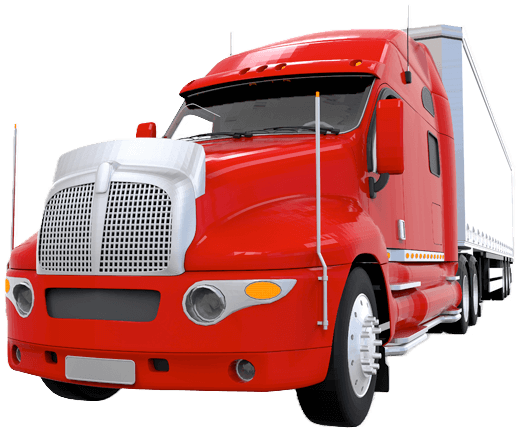
Specialized Loading Equipment
Non-running vehicles are carefully loaded using lift gates, ramps, and winches. This ensures that all inoperable cars are placed safely onto the carrier without damage. Professional loading prevents scratches, dents, and mechanical stress during transit.
Secure Tie-Downs and Straps
Once on the carrier, cars are secured with heavy-duty straps and tie-downs. This prevents movement or shifting while in transit, protecting both the vehicle and other cargo. Each strap is inspected and tightened by our trained team for maximum safety.
Experienced Drivers and Handling
Our drivers are trained in transporting these vehicles, following strict safety protocols. They handle every inoperable car with care, ensuring smooth transit over long distances. From pickup to delivery, your vehicle remains secure and protected.
Factors That Affect the Price of Inoperable Car Shipping
Vehicle Size and Weight
Larger or heavier non-running cars require specialized carriers or additional equipment, increasing the shipping costs. Compact vehicles are easier to handle and cost less to transport. However, by knowing the accurate vehicle dimensions of your vehicle, we can help you determine the appropriate carrier and pricing for your booking.
Distance and Route
Longer routes or deliveries to remote areas involve more fuel, labor, and time, which can raise the shipping fees. On the other hand, direct routes may reduce costs and transit times as well.
Vehicle Condition
Inoperable or heavily damaged cars may need extra care, such as winches or lifts, during loading and unloading. Vehicles that can’t roll on their own require more specialized handling. This factor impacts both equipment and labor costs for the transport.
Transport Type and Carrier Choice
Enclosed carriers, flatbed transport, or lift-gate services provide extra protection but can cost more than standard options. Choosing the right type depends on the vehicle’s value and condition.
Factors Impacting the Cost of LTL Shipping
Weight and Dimensions
The size and weight of your vehicle directly affect the cost of LTL shipping. Larger or heavier vehicles take up more space on the carrier and may require specialized equipment for safe loading and unloading, which can increase shipping fees.
Distance and Route
The distance between pickup and delivery locations plays a significant role in pricing. Longer routes, cross-country shipments, or deliveries to remote areas require more fuel, labor, and logistics planning, all of which contribute to higher costs.
Freight Class and Handling Needs
Vehicles with unique characteristics, such as low-clearance sports cars, exotic car transport, or high-value collector cars, may need enclosed trailers, lift-gate access, or extra handling precautions. These specialized requirements can affect the overall price of LTL transport.
Remove Personal Belongings
Take out all personal items from your non-running car before transport. Loose items can shift during transit, causing damage to the vehicle or trailer.
Document the Vehicle’s Condition
Take detailed photos of your car from multiple angles, noting any existing damage. This helps verify the condition upon pickup and delivery. Documentation protects both you and the carrier in case of disputes.
Disable Loose Parts
Fold mirrors, retract antennas, and secure any loose parts to prevent damage during transport. If parts are removable, consider taking them off and storing them safely.
How to Book Non-Running Car Transport Services?
Request a Quote
Provide details about your non-running car, including make, model, condition, and pickup/delivery locations.
Schedule Pickup
Select a convenient date and time for transport. A dedicated specialist coordinates with you to ensure safe and timely collection of the vehicle.
Transport and Delivery
Your car is securely loaded onto the appropriate carrier. The shipment is tracked during transit, and a condition report is provided upon delivery for added peace of mind.
CALL CENTER
Give us a free call
800.757.1178
OUR HOURS
Mon-Fri 8AM-5PM
Sat 8AM-Noon
OUR LOCATION
11248 Strang Line Rd.
Lenexa, KS 66215
Ready to Transport Your Inoperable Vehicle Safely?
Request a free quote today!
Frequently Asked Questions - Inoperable Vehicle Transport Services
Non-running vehicles are carefully loaded using winches, flatbed ramps, or other specialized equipment. This ensures the car is moved onto the transport trailer safely without causing any damage to the body or undercarriage.